
Ever questioned why your cake rises fantastically at some point and flops the next? Baking isn’t always simply an art; it is a science—a pleasing blend of chemistry and physics that transforms simple substances into mouth-watering treats. Understanding the technology at the back of baking can raise your talents and make certain regular, scrumptious effects.
Grasping the chemical reactions at play enables you troubleshoot baking mishaps and tweak recipes in your liking. It’s like having a mystery weapon in your culinary arsenal, turning baking from guesswork into a precise, exciting process
The Role of Key Ingredients:
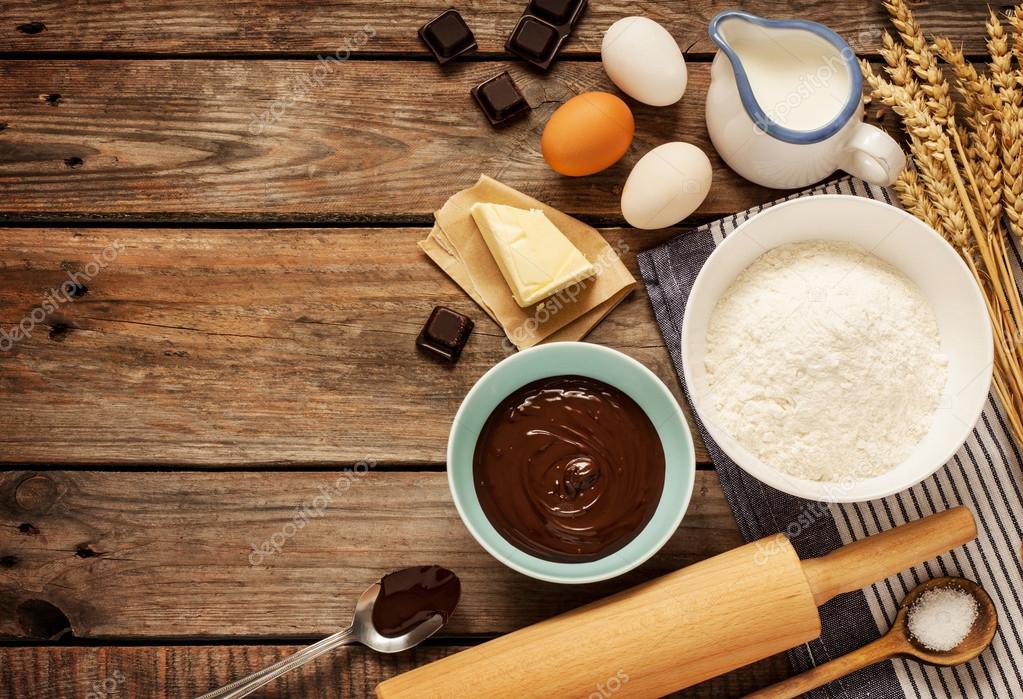
Each component in your recipe plays a pivotal role. Let’s break down these building blocks:
1.Flour: It provides the framework for baked goods. When mixed with water, proteins in flour form gluten, a network that traps gases and gives structure. The type of flour and its protein content influence the texture—bread flour for chewy loaves, cake flour for tender cakes.
2.Leavening agents: They are the magic behind the puff in pastries and the fluff in cakes.
a)Baking soda (sodium bicarbonate) needs an acid (like buttermilk) to produce carbon dioxide gas, causing the dough to rise. Baking powder contains both an acid and a base and activates with moisture and heat, making it a self-sufficient leavening agent
b)Yeast is a living organism that ferments sugars, producing carbon dioxide and alcohol. This process not only leavens bread but also develops complex flavors. The fermentation time affects the texture and taste of the final product.
5.Sweets and Sugars: Beyond adding sweetness, sugars tenderize by inhibiting gluten formation, contribute to browning through caramelization and the Maillard reaction, and retain moisture, extending shelf life.
6.Fats: Fats coat flour proteins, hindering gluten development, resulting in tender textures. They also add richness and flavor. The choice of fat—butter, oil, shortening—affects the final product’s taste and mouthfeel.
7.Liquids: Liquids dissolve dry ingredients, enable chemical reactions, and provide moisture. The amount and type of liquid influence the batter’s consistency and the baked good’s text
8.Eggs: Eggs are multitaskers. Whites provide structure when whipped, yolks add richness and emulsify mixtures, and together they contribute to color, flavor, and stability.
The Baking Process: A Symphony of Chemical Reactions:
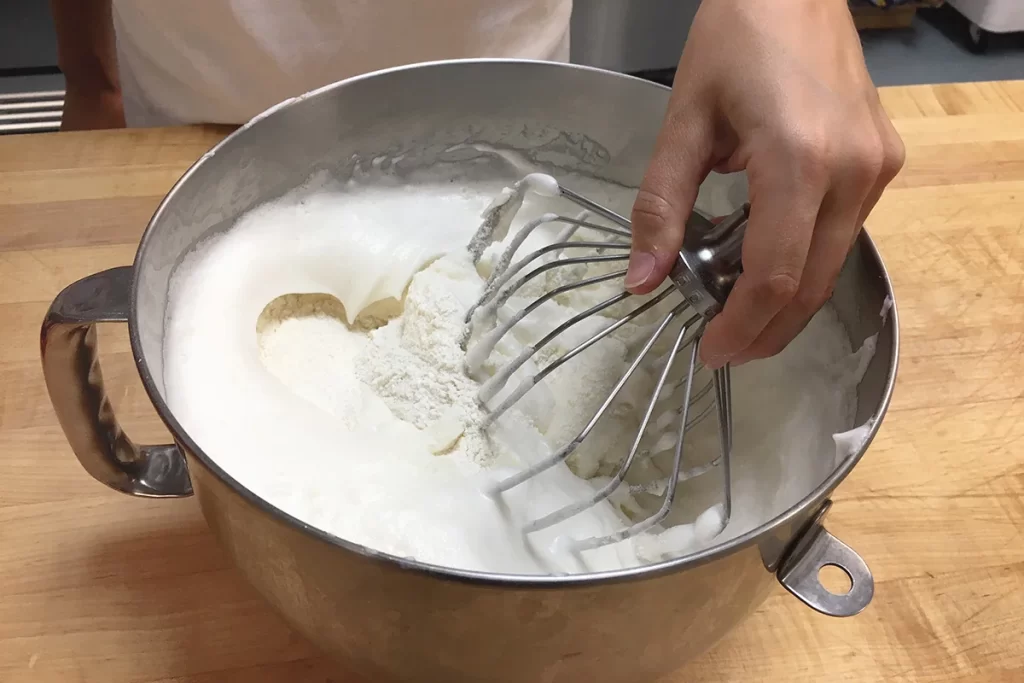
Baking is more than mixing and heating; it’s a sequence of reactions that create the final masterpiece.
Mixing – Combining Ingredients Uniformly:
Proper mixing ensures even distribution of substances, permitting consistent reactions all through the batter or dough. Overmixing can result in immoderate gluten improvement, ensuing in toughness.
Leavening – Gas Formation and Expansion:
As leavening retailers produce gases, they make bigger within the dough or batter, growing rise. The shape have to be elastic sufficient to stretch but strong enough to keep the gases.
Coagulation and Gelatinization – Setting the Structure:
Proteins coagulate (solidify) and starches gelatinize (absorb water and swell) upon heating, putting the shape of the baked accurate. Timing is vital; underbaking leaves structures unset, overbaking can dry them out.
Maillard Reaction and Caramelization – Developing Flavor and Color:
These browning reactions occur at higher temperatures, developing complicated flavors and attractive shades. The Maillard response includes amino acids and decreasing sugars, even as caramelization is the breakdown of sugars on my own.
Temperature and Time: Critical Factors in Baking
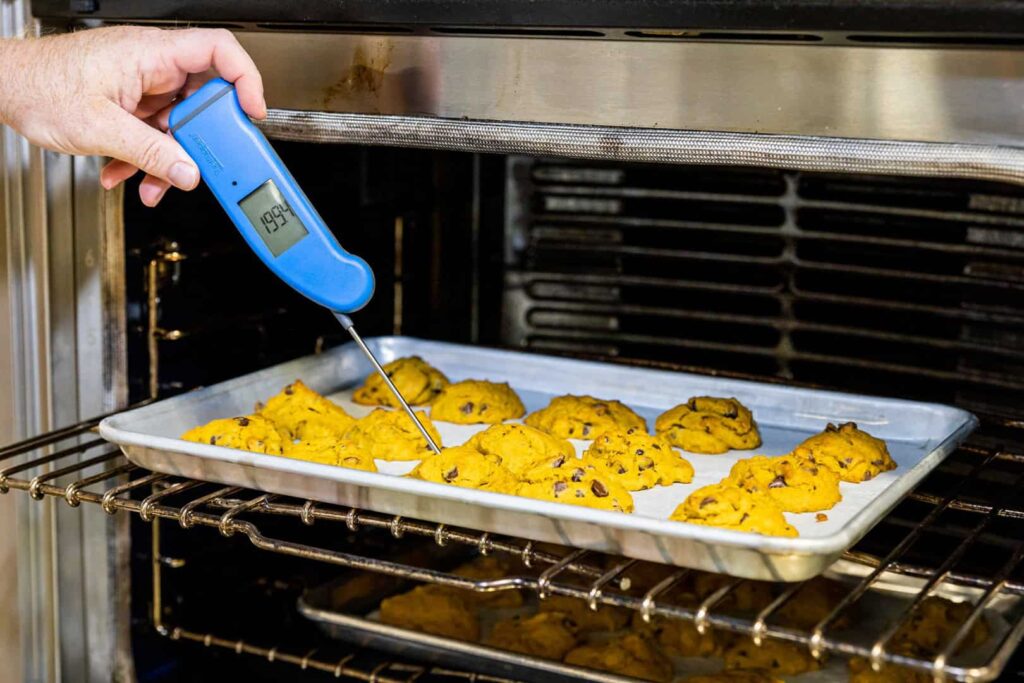
Oven Temperature – Controlling the Rate of Reactions: Oven temperature affects how quickly reactions occur. Too hot, and the exterior may burn before the interior sets; too cool, and the product may not rise properly. An accurate oven thermometer is a baker’s best friend.
Baking Time – Achieving the Desired Doneness: Time interacts with temperature to complete the baking process. Following recommended times is essential, but also rely on visual and tactile cues—golden-brown crusts, set centers, and the toothpick test.
Common Baking Challenges and Their Scientific Solutions
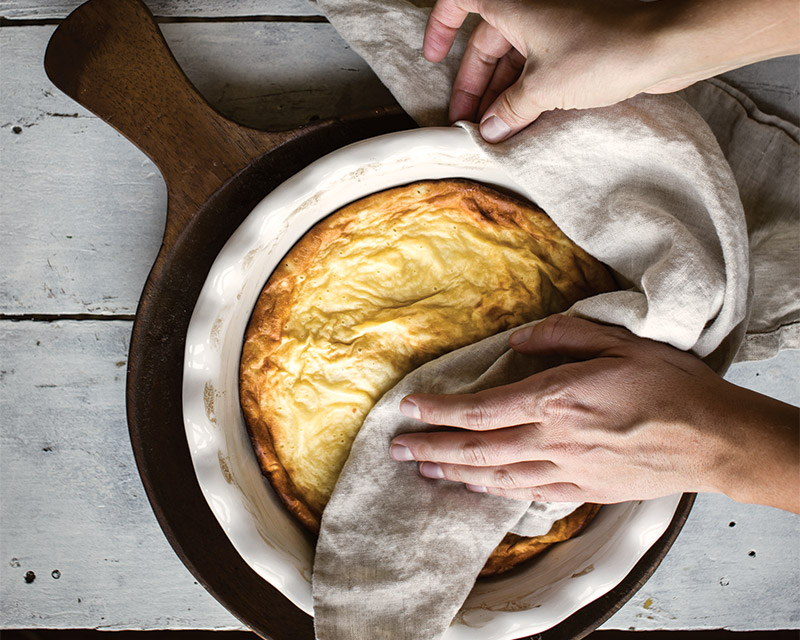
Dense or Flat Baked Goods:
Often because of expired leavening dealers, overmixing (main to excessive gluten), or wrong oven temperature. Ensure sparkling leaveners, blend just until mixed, and verify oven accuracy.
Overly Dry or Moist Textures:
Imbalances in liquid or fats can motive dryness or excess moisture. Measure substances exactly and don’t forget humidity’s effect on flour’s moisture content material.
Uneven Browning:
This can end result from choppy oven warmth