Ever bitten into a warm slice of bread and felt… something ancient? That’s no accident. Baking is one of humanity’s oldest culinary traditions, dating back thousands of years. What started as a simple necessity evolved into an art form, a science, and a global obsession. From wood-fired flatbreads to Instagram-worthy sourdoughs, the story of baking is the story of civilization itself.
Baking in the Ancient World
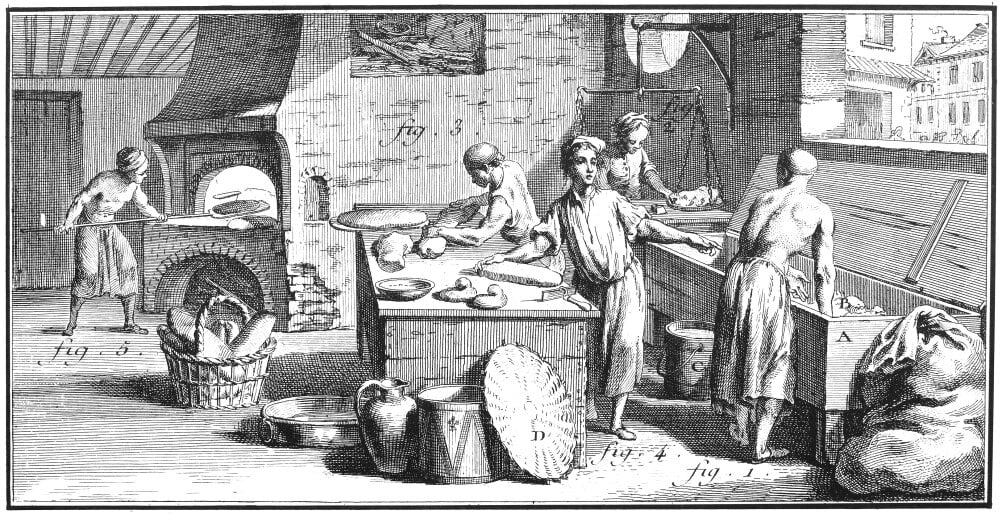
Mesopotamia: The First Recorded Bakers: Let’s rewind to around 6000 BC. The Sumerians of Mesopotamia were among the first to grind grains and mix them with water to form a paste, which they then cooked on hot stones. Basic? Sure. But revolutionary for its time.
Ancient Egypt: The Birthplace of Leavened Bread: The Egyptians took it up a notch. Around 3000 BC, they discovered that letting dough sit out caused it to rise — thanks to wild yeast. Boom. Leavened bread was born. They even had professional bakers and baking molds!
Greek & Roman Baking Innovations: The Greeks brought in cakes, cheesecakes, and honey-sweetened bakes. The Romans? They turned baking into a serious business, inventing tools like the rotary mill and setting up large commercial bakeries to feed entire cities.
Baking in the Middle Ages
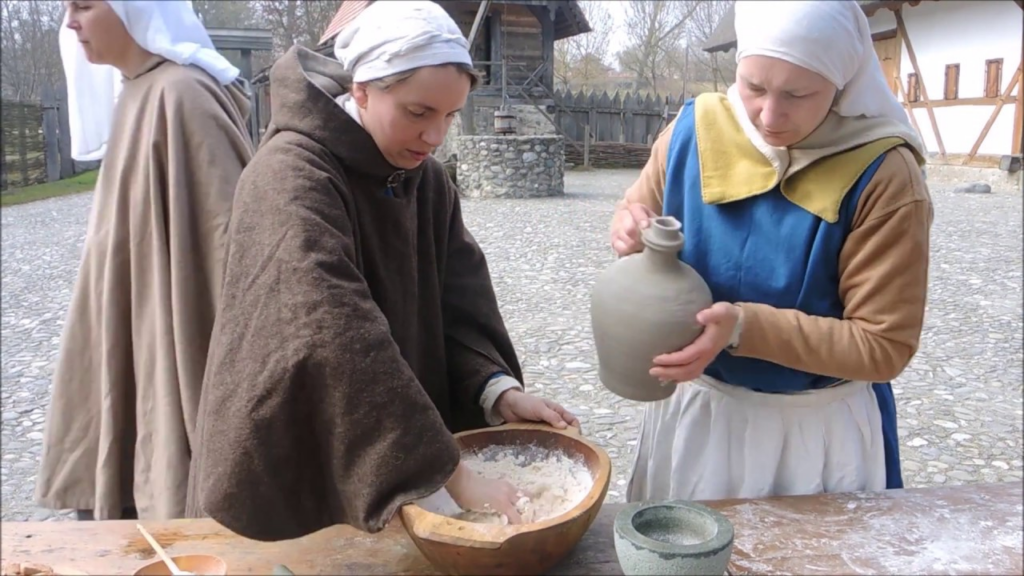
Community Ovens and Baker Guilds: In medieval Europe, not every household had its own oven. Communities often shared a communal oven, and baking became a structured trade, complete with guilds and strict regulations.
The Role of Bread in Medieval Life: Bread was life — literally. It was the centerpiece of every meal, and social class often determined the type of bread you ate. White bread for the wealthy, darker rye or barley for peasants.
Early Pastries and Pies: Medieval kitchens also began experimenting with meat pies and early versions of pastries — though they were more about practicality than sweetness.
Renaissance to Enlightenment Era
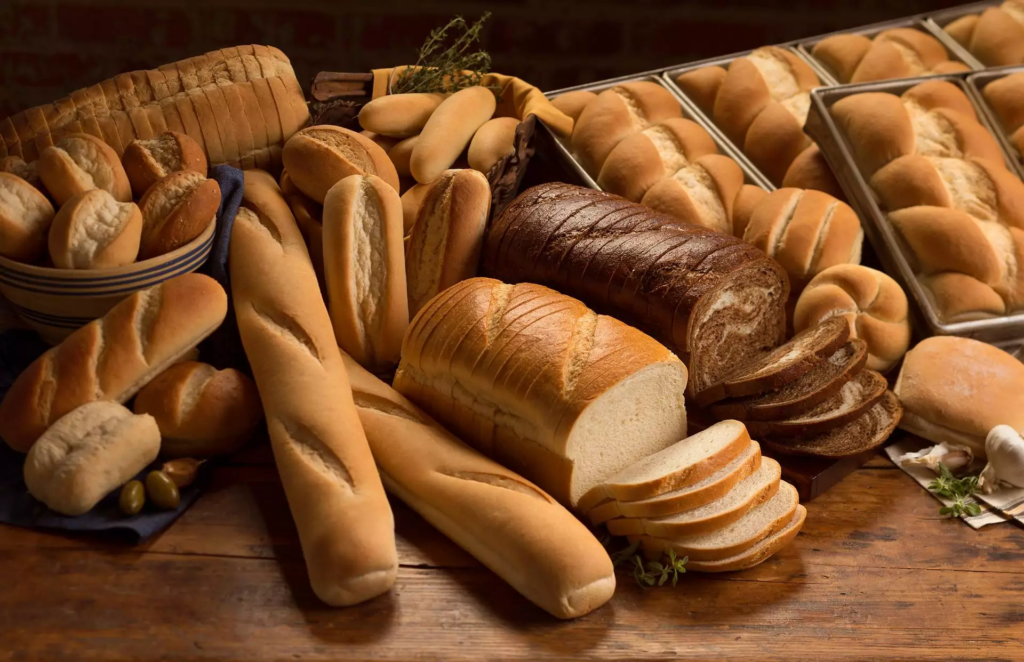
Introduction of Refined Ingredients: The Renaissance brought in sugar, spices, and finer flours, elevating baking into a more refined craft. The French, Italians, and Spanish all began pushing the limits of what baking could be.
Rise of French and Italian Baking Styles: Enter: brioche, biscotti, panettone. France started leading the way in pastry perfection, while Italy made its mark with festive and seasonal bakes.
The Emergence of Baking as a Profession: Baking became an official career path. Pastry chefs and bakers were trained professionals, and their creations were often showcased in royal courts.
The Industrial Revolution and Baking
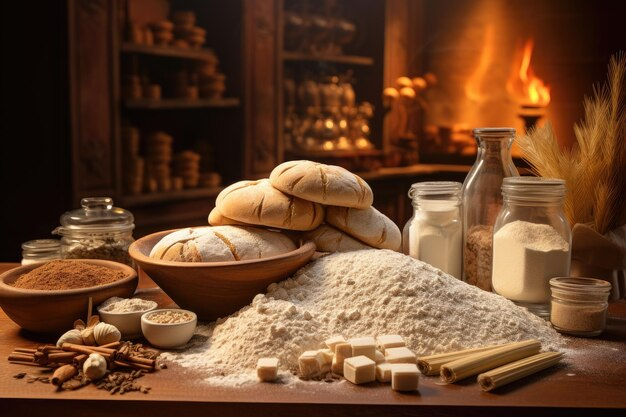
Mechanization of Bakeries: The 18th and 19th centuries changed the game. Machinery allowed for mass production of bread and pastries. Bakeries were no longer just for the elite.
The Invention of Baking Powder: In 1843, Alfred Bird invented baking powder — a game-changer that made baking faster and more accessible, especially for home bakers.
Baking Goes Commercial: With railroads and improved transport, baked goods could travel further. Pre-packaged bread became a thing, and the baking aisle in grocery stores was born.
Home Baking in the 20th Century

Baking in Wartime: During the World Wars, home baking became a patriotic act. Rationing led to inventive recipes — think carrot cake and vinegar pie.
The Rise of the American Kitchen: By the 1950s, baking was central to American homemaking culture. Boxed cake mixes, electric ovens, and glossy cookbooks made it easier than ever.
Cookbooks and Baking Shows: From Julia Child to The Great British Bake Off, baking found its way into homes not just through recipes, but through storytelling and entertainment.
The Future of Baking
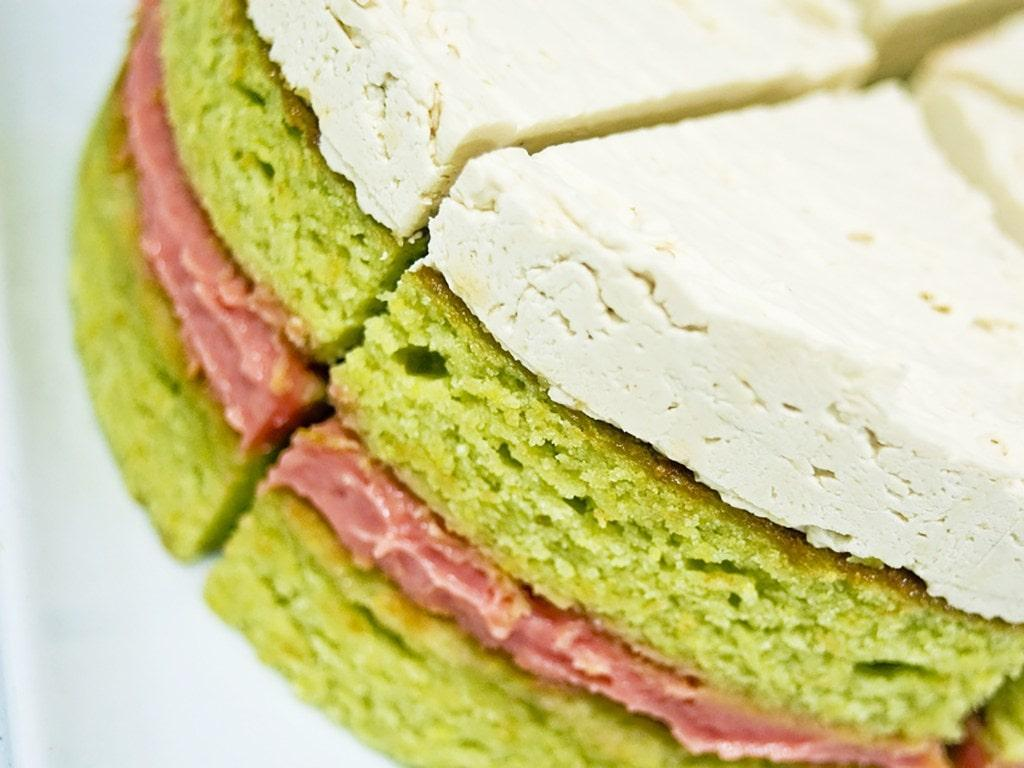
Plant-Based and Gluten-Free Innovations: Baking is adapting to modern dietary needs. Think aquafaba, almond flour, flax eggs, and more.
Sustainability in Baking: From sourcing local grains to reducing waste, bakers are rethinking their environmental footprint.