
Ah, the croissant — buttery, flaky, golden perfection. You tear into one and hear that crisp crackle before the soft, layered interior melts in your mouth. But what really makes a croissant perfect? Is it just about the butter? The folding? Or the bake?
Let’s roll back the layers and explore the anatomy of a perfect croissant — from the science behind its airy texture to the final golden finish.
What Makes the Croissant So Special?
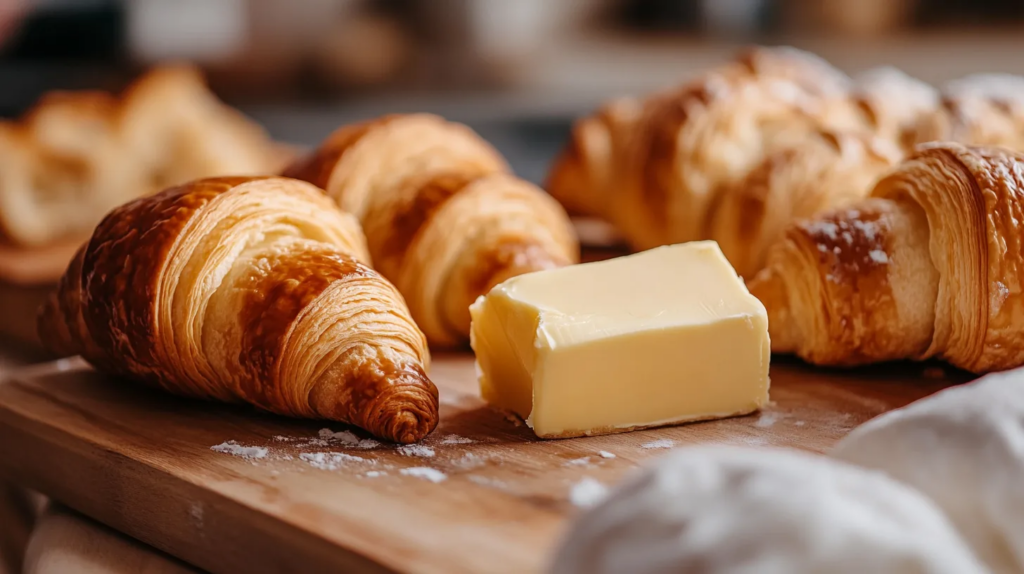
The croissant isn’t just a pastry. It’s a marvel of culinary engineering. It blends science, skill, and a little bit of magic (okay, mostly butter) into something deceptively simple yet deeply complex. When it’s made right, it’s unforgettable.
A Brief History of the Croissant
Despite being the pride of French patisseries, the croissant actually traces its roots back to Austria. The kipferl, its ancestor, made its way to France and evolved into the flaky delight we love today. The French just took it up a notch — or ten.
The Science Behind the Flake
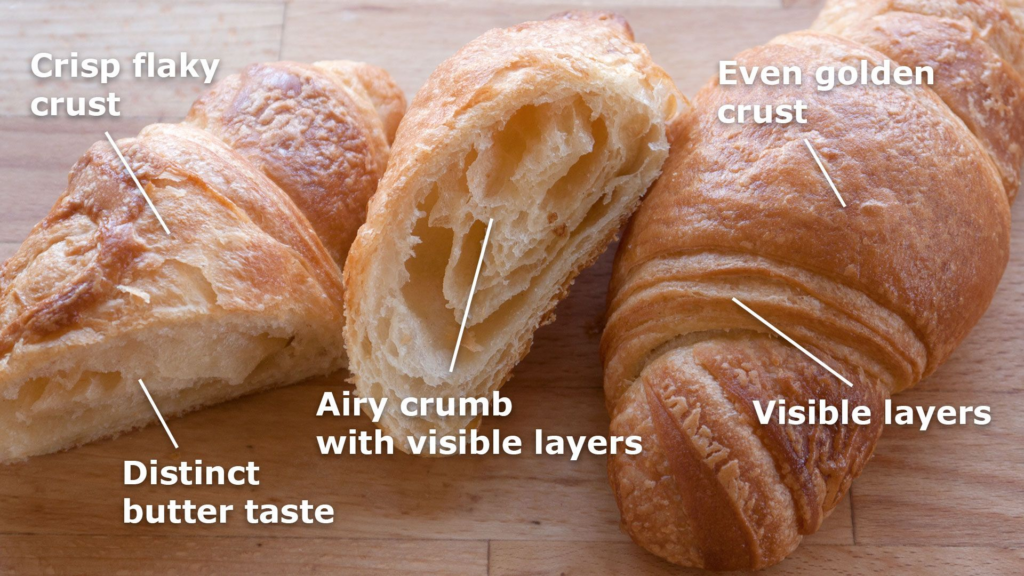
Layering: The Secret to That Signature Flakiness: Each croissant has hundreds of buttery layers, thanks to a technique called lamination. Dough and butter are folded together in a process that creates those delicate, thin sheets. When baked, steam from the butter lifts the dough apart, forming that signature flake.
Butter Quality and Its Crucial Role: Use the good stuff — European-style butter with at least 82% fat content. It holds up better during lamination, stays pliable, and gives a richer flavor.
Temperature Control: The Invisible Hero: Butter melts fast. And if it melts into the dough too early? Game over. Chilling the dough between folds is key to keeping layers distinct and beautiful.
The Dough — The Foundation of Flavor
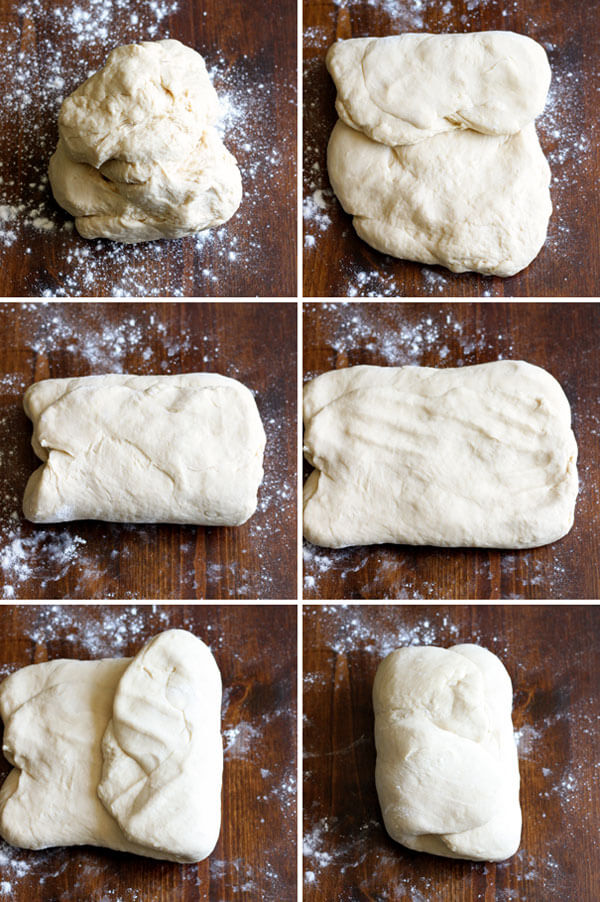
Yeast vs. Sourdough: Traditional croissants use commercial yeast for predictable rise. But sourdough croissants? They bring a tangy complexity and longer shelf life. Choose your adventure.
Key Ingredients That Make a Difference: Flour with moderate protein (around 11%) works best. Then you’ve got sugar for a hint of sweetness, milk for softness, and a bit of salt to balance it all.
The Role of Time in Dough Development: Rushed dough is lifeless dough. Let it rest. A long, cold ferment gives better structure and deeper flavor.
Lamination — The Heart of the Craft
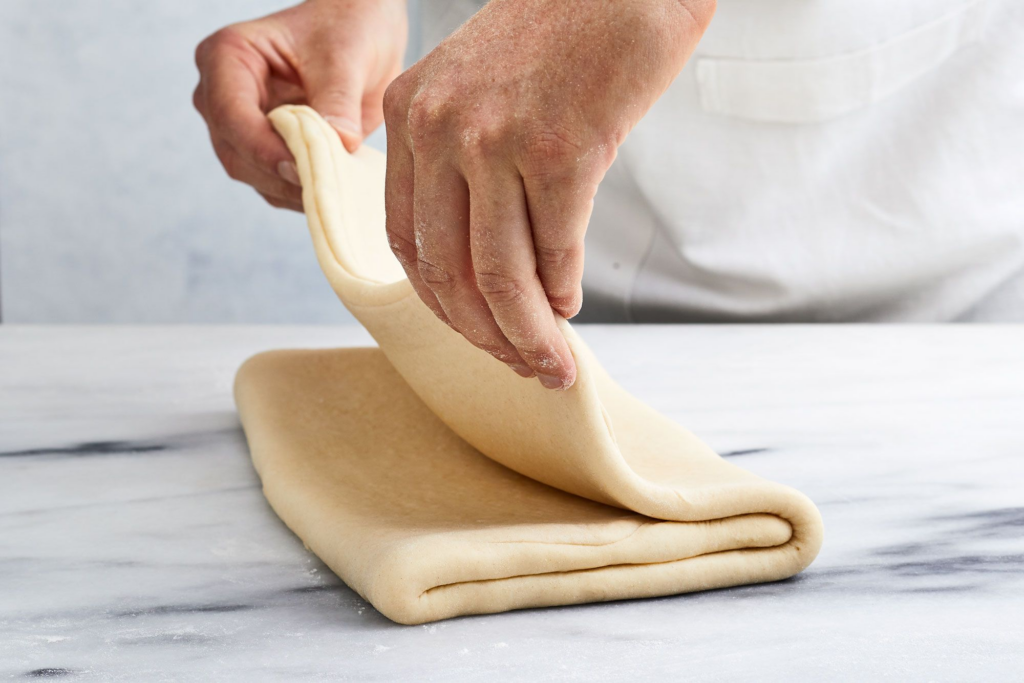
What is Lamination Exactly?– Lamination is the art of folding butter into the dough repeatedly. It’s part precision, part patience, and a whole lot of rolling.
How Many Folds is Too Many?– Three single folds (a.k.a. letter folds) are the sweet spot. More folds = more layers, but too many = lost definition and chewy texture.
Common Mistakes to Avoid During Lamination–Butter too cold or too soft: causes breakage or absorption.
Uneven rolling: ruins layer consistency.
Skipping chill time: you’ll regret it later.
Shaping the Croissant
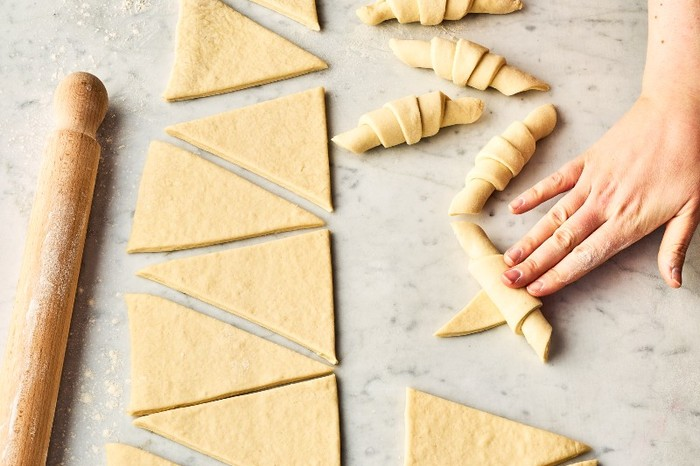
The Traditional Crescent Shape: Classic croissants are cut into triangles and rolled into that iconic crescent. The base should be wide, the tip tight, and the roll even.
Tips for Consistency and Aesthetic Appeal: Always roll from base to tip with even pressure. Let them rest seam-side down, so they don’t unravel in the oven.
Proofing — Patience is a Virtue
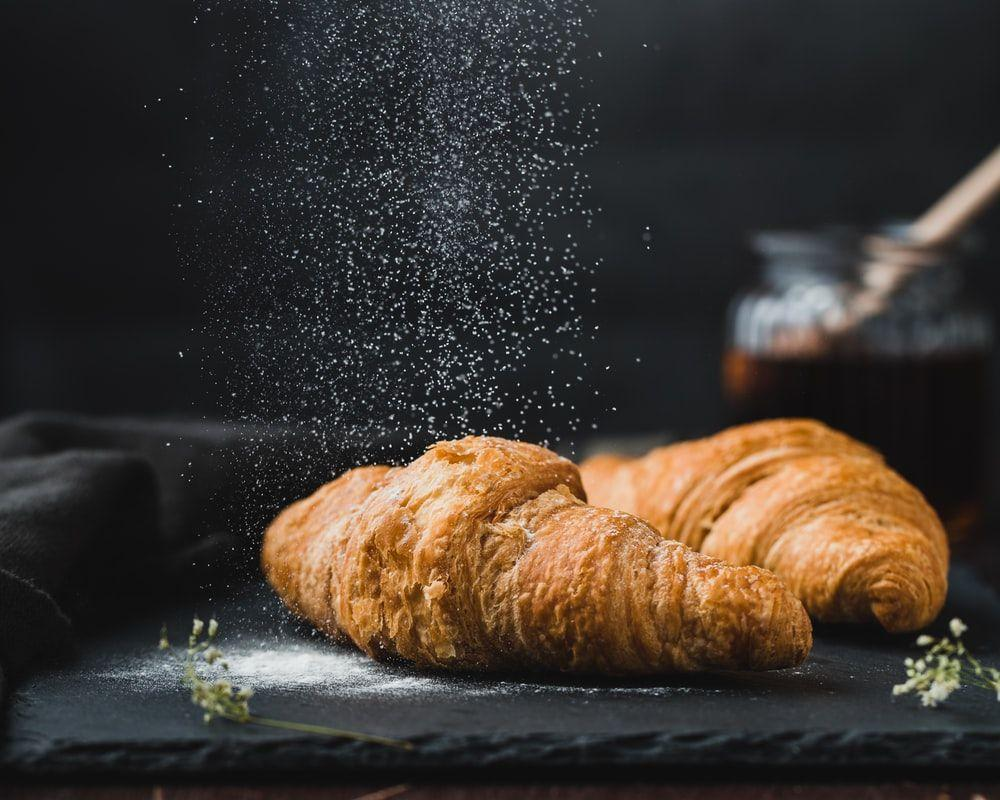
Ideal Proofing Conditions: Warm but not hot. Humid but not wet. Aim for 75–80°F (24–27°C). A proofing box helps, but a turned-off oven with a bowl of hot water can do the trick.
How to Tell When It’s Ready: They should jiggle like jelly and feel puffy. Press gently — if the dent springs back slowly, it’s go time.
Under-Proofed vs. Over-Proofed: Under-proofed = tight and dense. Over-proofed = collapsed and greasy. Nailed it? You’ll see a golden, lofty rise.
Baking the Perfect Croissant
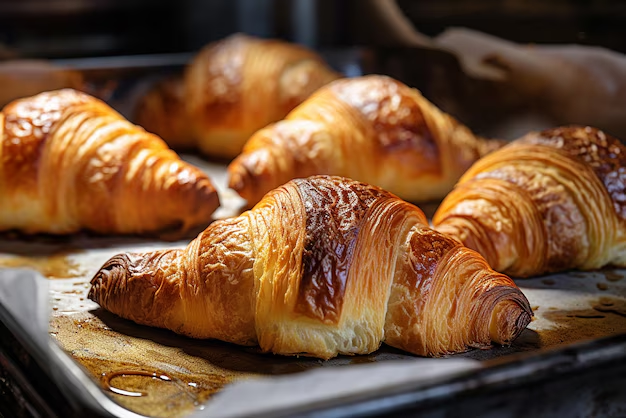
Oven Temperature and Why It Matters: Start hot — around 400°F (200°C) — then reduce slightly. A hot blast at the beginning creates a good “oven spring.”
Steam: An Unexpected Necessity: Steam keeps the surface soft at first, allowing for full expansion before the crust sets. A little water on a hot tray works wonders.
Golden Brown Perfection — What to Look For: Even browning, a shiny surface (thanks to egg wash), and visible layers puffed apart like pastry architecture.
The Final Product — Signs of a Perfect Croissant
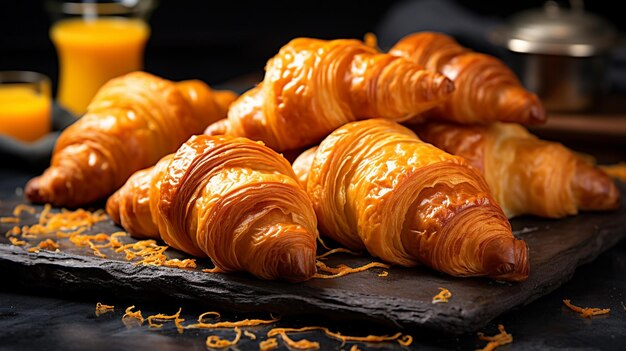
Tall rise, defined layers, golden top, and zero butter leakage. That crackle when you pull it apart? That’s the music of success. Open, airy, and structured — like a beehive of buttery joy.